Crafting the Perfect Music Portfolio: Music Portfolio Creation Tips
Creating a music portfolio is essential for showcasing your skills, style, and experience. A well-crafted portfolio can open doors to new opportunities, collaborations, and performances. It serves as a professional presentation of your work to event organizers, producers, and other industry professionals. This guide provides practical advice on how to build an effective music portfolio that highlights your strengths and helps you stand out.
Music Portfolio Creation Tips: Building a Strong Foundation
The first step in creating a music portfolio is to gather your best work. Select recordings, compositions, and performances that represent your style and abilities. Quality matters more than quantity. Choose pieces that demonstrate versatility and technical skill. Include a variety of genres or styles if applicable, but maintain a cohesive overall impression.
Organize your portfolio logically. Start with your strongest material to capture attention immediately. Follow with supporting tracks or videos that provide depth. End with a memorable piece that leaves a lasting impression. Use clear labels and descriptions for each item, including the title, date, and your role in the production.
Consider the format of your portfolio. Digital portfolios are preferred for their accessibility and ease of sharing. Use platforms that allow embedding audio and video files, such as personal websites or specialized music portfolio sites. Ensure your portfolio is easy to navigate and visually clean. Avoid clutter and distractions.

What does LLC stand for in music?
LLC stands for Limited Liability Company. In the music industry, forming an LLC can provide legal and financial protection for artists and producers. It separates personal assets from business liabilities, reducing personal risk. An LLC also offers flexibility in management and taxation.
For musicians, an LLC can formalize their business operations. It allows for contracts, payments, and collaborations to be handled under a business entity. This structure can enhance professionalism and credibility when dealing with clients and partners.
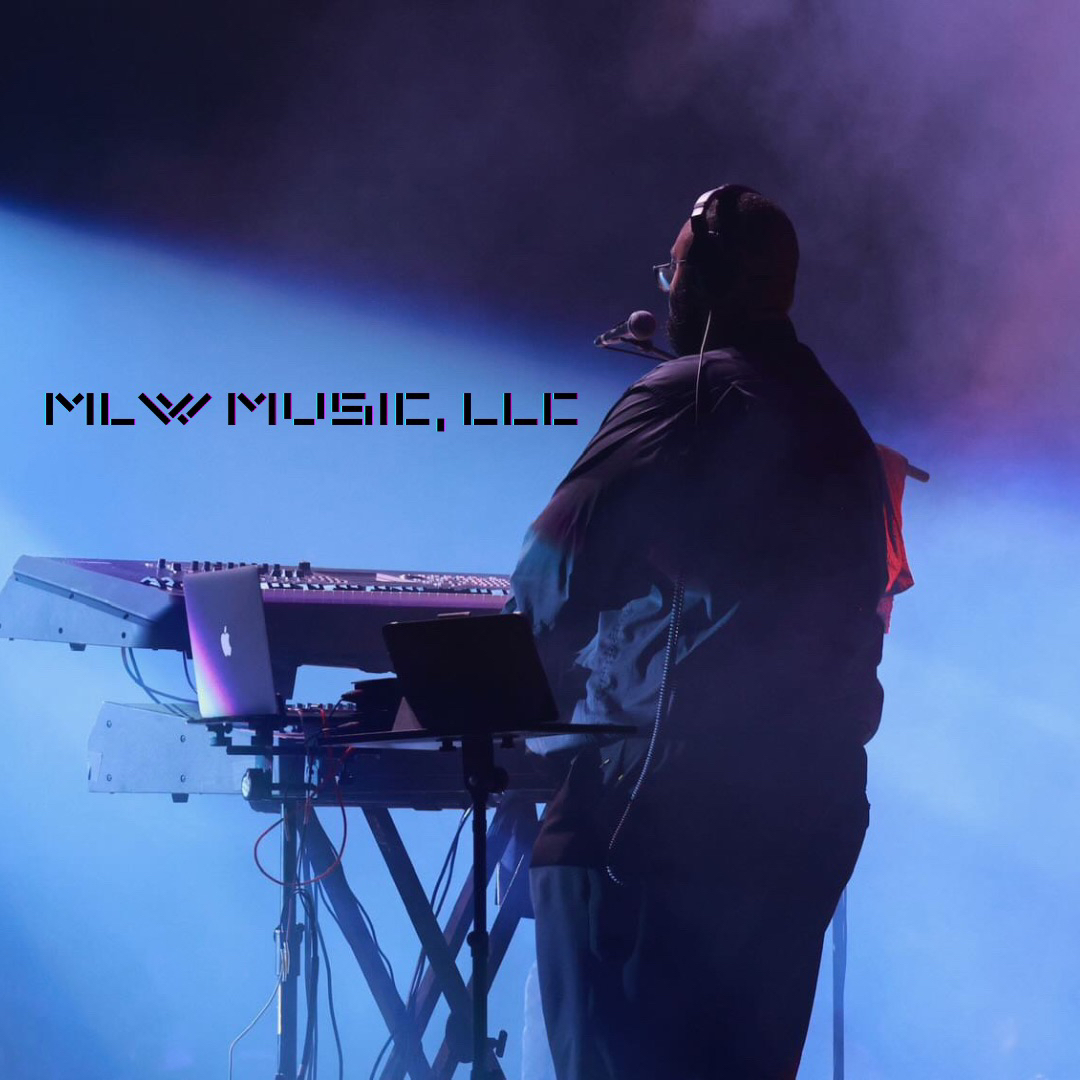
MLW Music, LLC is an example of an artist using an LLC to manage their music career. The mlw music llc music portfolio demonstrates how an LLC can support branding and business growth while showcasing artistic work.
Essential Components of a Music Portfolio
A comprehensive music portfolio should include several key elements:
Biography - A concise summary of your background, influences, and achievements. Keep it factual and focused on your music career.
Audio Samples - High-quality recordings of your work. Include studio tracks, live performances, and demos if relevant.
Video Content - Performance videos or music videos that highlight your stage presence and visual style.
Press and Reviews - Any media coverage, interviews, or testimonials that validate your work.
Discography - A list of your releases, including albums, singles, and collaborations.
Contact Information - Clear details for booking or inquiries, such as email, phone, and social media links.
Each component should be updated regularly to reflect your latest work and accomplishments. Consistency in presentation and branding across all materials strengthens your professional image.
How to Present Your Music Portfolio Effectively
Presentation is crucial when sharing your portfolio. Tailor your portfolio to the audience or opportunity. For example, event organizers may prefer a concise selection of live performance videos and setlists. Producers might look for detailed credits and production notes.
Use a clean and professional design. Avoid excessive graphics or fonts that distract from the content. Use headings, bullet points, and spacing to improve readability. Make sure all links and files work correctly before sharing.
When sending your portfolio, include a brief cover message explaining who you are and what you offer. Personalize the message to the recipient to show genuine interest. Follow up politely if you do not receive a response within a reasonable time.

Maintaining and Updating Your Music Portfolio
A music portfolio is a living document. Regular updates are necessary to keep it relevant and impressive. Schedule periodic reviews to add new work and remove outdated or weaker material.
Track your portfolio’s performance by noting which pieces attract the most attention or lead to opportunities. Use this data to refine your selections and presentation.
Stay informed about new tools and platforms for portfolio creation. Emerging technologies can offer better ways to showcase your music and connect with your audience.
Crafting a music portfolio requires attention to detail and strategic planning. By following these music portfolio creation tips, you can build a portfolio that effectively represents your talents and supports your career growth. Whether you are a producer, keyboardist, or arranger, a strong portfolio is a key asset in the competitive music industry.


Comments